Mobile Release Readiness Platform

Decide in minutes whether a mobile release is safe to ship.

Runetiq works with your existing testing, observability and release tools to help teams make evidence-backed release decisions.

Now looking for 5 founding design partners

Not another dashboard. Not another AI agent. The mobile release decision layer.

The missing layer between mobile quality signals and release decisions.

Built on top of your existing tools

Runetiq does not replace your testing, observability or release tools. It connects release signals and helps teams make evidence-backed release decisions.

The problem

Mobile teams already have test reports, crash analytics, performance metrics and observability dashboards.

Yet release decisions are still slow, manual and fragmented.

The data exists. The release answer does not.

Is this release safe to ship?

Mobile teams already have test reports, crash analytics, performance metrics and observability dashboards.

Yet release decisions are still slow, manual and fragmented.

The data exists. The release answer does not.

Is this release safe to ship?

Why teams still struggle with release decisions

Too many signals

Teams must manually connect test results, crashes, logs and performance signals across multiple tools.

No release context

Most tools report failures and metrics but do not assess their impact on release readiness.

Slow decisions

Teams spend hours interpreting signals, aligning stakeholders and deciding what is actually blocking the release.

No go/no-go answer

Reports show what happened, but teams still need clear evidence for a release decision.


No single place to answer: ship, delay, or investigate.

Why this matters now

Mobile release decisions are getting harder as delivery speed, tool fragmentation and AI-assisted development increase at once.

Release cycles are getting shorter

Mobile teams are expected to ship faster while maintaining quality, stability and user trust.

Quality signals are more fragmented

Test results, crash analytics, performance metrics, observability data and release pipeline events live across different tools.

AI-assisted delivery adds noise

AI-assisted development increases code velocity, but teams still need evidence to understand what is safe to release.

More signals do not create more confidence

Teams need a clear release readiness view, not more reports to interpret before every release.

Why Runetiq

The missing layer between mobile quality signals and release decisions.

Connect quality signals

Aggregate test results, crash analytics, observability data and release pipeline events into a single release view.

Understand release impact

Evaluate failures based on user impact, device coverage and release scope.

Assess release risk

Identify blockers, high-risk issues and confidence gaps before release.

Works with your existing tools

Runetiq adds a release decision layer on top of your current testing, observability and release stack.

Keep your tools. No vendor lock-in. No disruptive migration.

Who Runetiq is for

Designed for the people ultimately responsible for release decisions.

Mobile Engineering Leaders

Own mobile platform quality and release confidence across teams.


QA Directors

Reduce release risk and improve confidence in mobile test results.

Release Managers

Make faster go/no-go decisions backed by real release evidence.

Release Governance Teams

Align engineering, QA and product around a clear release readiness view.

How Runetiq works

From fragmented signals to confident release decisions.

Collect release evidence

Runetiq combines signals from test runs, real devices, crashes, performance metrics, observability platforms, release pipelines and deployment events.

Build release context

Correlate quality signals with affected users, devices, business flows, feature changes, release scope and pipeline events.

Assess release risk

Analyze release evidence, reduce noise from AI-assisted development and identify blockers, production risks and confidence gaps before release.

Support release decisions

Provide a release readiness view, highlight degradations and give teams the evidence needed for go/no-go decisions.

How Runetiq turns evidence into a release decision
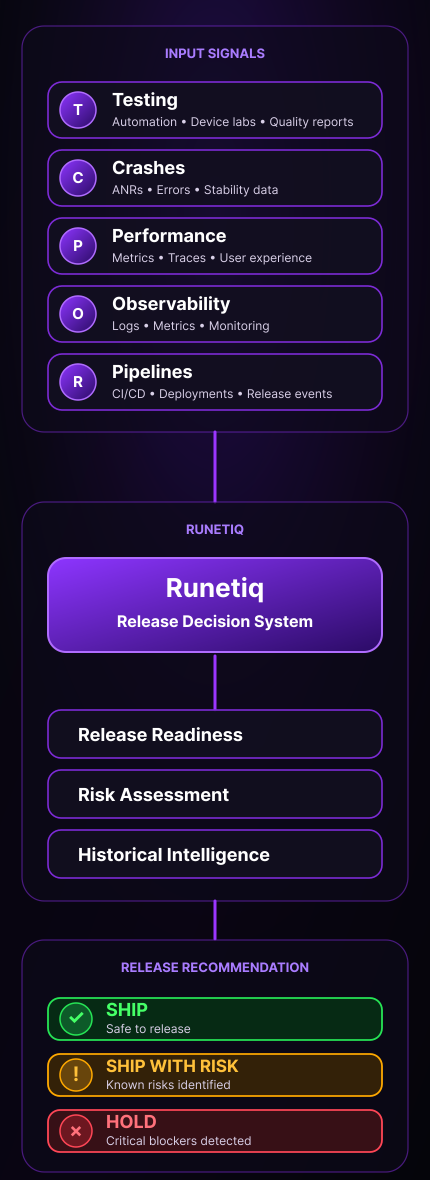
How Runetiq turns evidence into a release decision
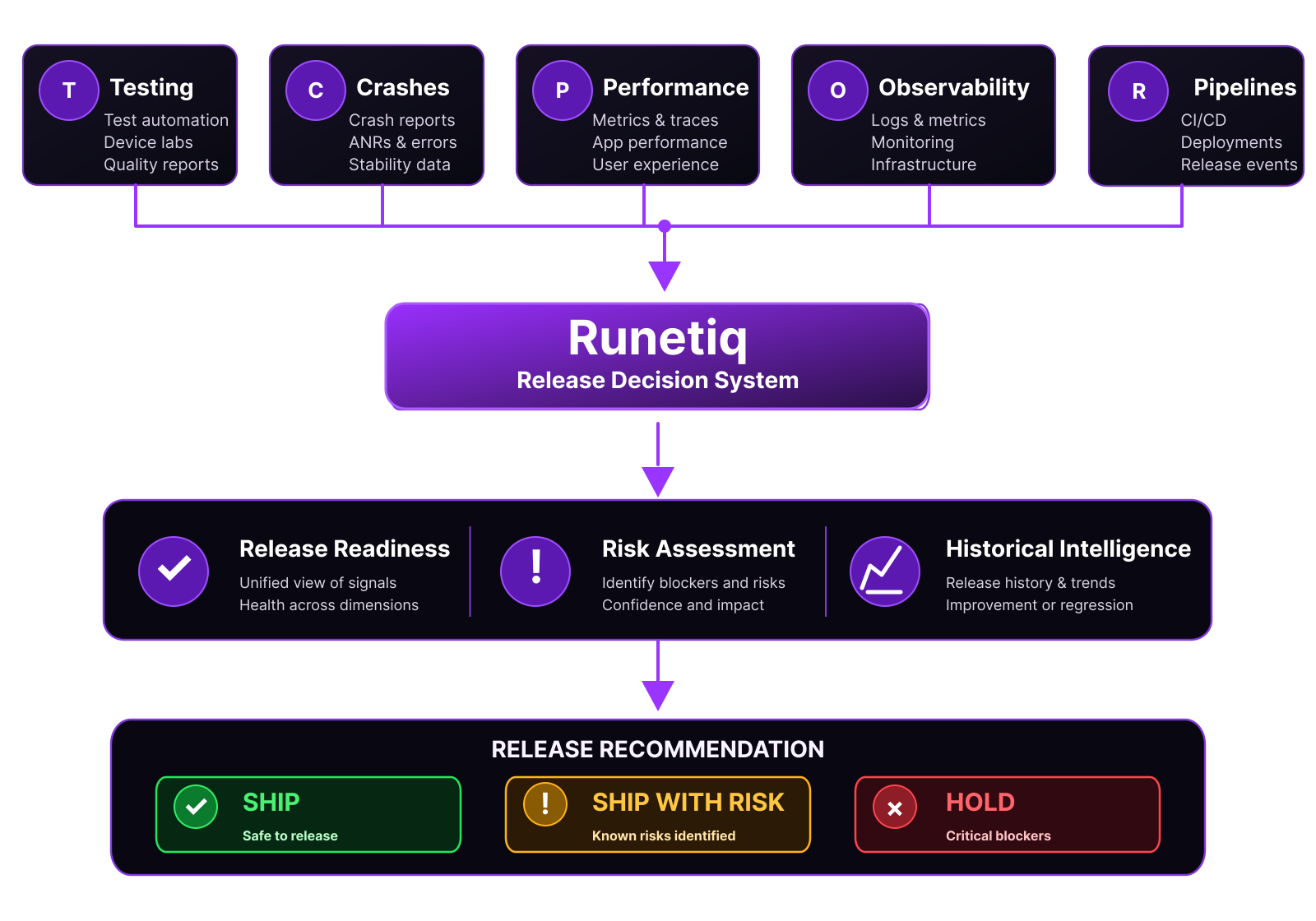
Runetiq does not replace your existing tools. It connects delivery, testing and observability signals, understands the release context, assesses mobile release risk, and produces a clear go / no-go recommendation.

Frequently asked questions

How Runetiq works with your existing release, testing and observability tools.

How Runetiq works with your existing release, testing and observability tools.

Why can’t teams solve this with Jira, Datadog, BrowserStack, Allure TestOps, or release tools like Runway?

Can’t teams just build this with an internal AI agent?

Does Runetiq run tests?

What problem does Runetiq solve?

Who is Runetiq for?

How can a team start with Runetiq?

Join the Early Access Program

Join 5 founding design partners helping shape the future of mobile release readiness.

Shape the product

Help define release readiness workflows, risk models and decision logic based on your real-world release challenges.

Early access

Get access to new capabilities, prototypes and release intelligence features before public availability.

Assess your release readiness

Validate your current release process against real mobile readiness scenarios.

Limited to 5 founding design partners. No vendor lock-in. No migration. No long-term commitment.

Built by the former CTO of Yandex Keyboard (60M+ installs) and leaders behind enterprise mobile testing platforms used by global organizations.

© 2026 Runetiq. All rights reserved.

© 2026 Runetiq. All rights reserved.